
Thursday, September 10, 2026

Independent · Automated · Open

OHF Daily
The Open Home Foundation world, one day at a timeA five-minute briefing

In this edition

183
PRs
42
repositories
71
contributors

Project

Pulse

Home Assistant

Today
108
7 days
677

Music Assistant

Today
21
7 days
132

ESPHome

Today
17
7 days
128

Top story for Thursday, September 10, 2026

Home Assistant

Home Assistant recovers from a broken startup record

A Supervisor fix restores the recovery path when damaged container metadata leaves Home Assistant or an app unable to start.

Reviewed by mdegat01

An unclean shutdown can leave Home Assistant or one of its apps unable to start because the record describing its container is damaged. The Supervisor recognizes a specific form of this failure and removes the broken record so it can recreate the container, instead of failing on every startup attempt.

Read full article

Reported stories

14 original articles
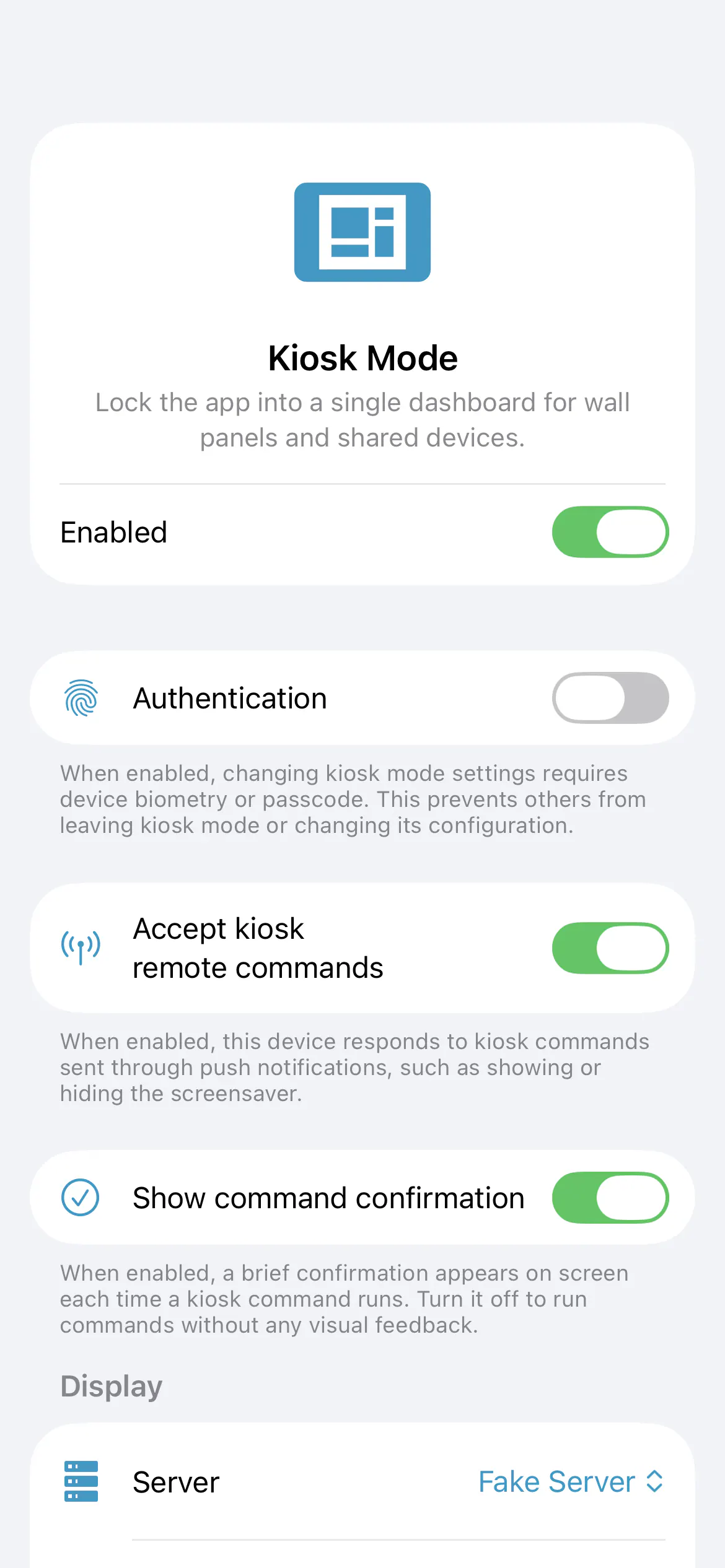
Home Assistant kiosk settings with the command confirmation option
Kiosk settings include a choice to show or hide remote-command confirmations.

Home Assistant

Home Assistant gives wall panels a quieter kiosk display

The iOS app can hide its settings button and command confirmations while keeping a way back into settings.

Wall-mounted Home Assistant displays gain two ways to keep their dashboard uncluttered. The iOS app's kiosk settings can make the settings-entry button invisible and suppress the small confirmation messages shown after remote commands run.

Read full article
WindNerd Node sensor board
WindNerd Node is designed for a 3D-printed wind instrument.

ESPHome

WindNerd brings a printed weather station to ESPHome's directory

A pre-flashed sensor board pairs with a 3D-printed wind instrument and an open configuration for home weather readings.

Reviewed by jesserockz

People building their own weather station have a new reference in ESPHome's device directory: WindNerd Node, a sensor board designed for an open-source, 3D-printed instrument that measures wind speed and direction.

Read full article

Music Assistant

Music Assistant keeps Sonos playing through short albums

A queue correction prevents speakers from falling silent, while a separate fix unblocks radio startup on older S1 models.

Reviewed by marcelveldt, MarvinSchenkel

Sonos speakers can read several tracks ahead of what is playing. Music Assistant was refusing valid requests once a speaker got too far ahead of its own playback position, eventually bringing an album to a stop. The queue now measures those requests against the audio actually sent to the speaker.

Read full article

Home Assistant

Z-Wave checks join Home Assistant's visual automation editor

Forms check device status, settings and values, extending this week's visual triggers to the conditions that follow them.

Reviewed by MartinHjelmare, c0ffeeca7

Home Assistant's automation editor gains forms for checking a Z-Wave device's status, configuration settings and reported values before an automation continues. The conditions can test whether any or all selected devices match, using named states instead of requiring their underlying numbers.

Read full article

Sendspin

Sendspin keeps untrusted audio out of spoken pairing

The protocol returns spoken setup codes to a speaker's own voice instead of accepting recordings from an unauthenticated server.

Reviewed by maximmaxim345, kahrendt

A speaker announcing a Sendspin pairing code should not have to play audio chosen by a stranger. The protocol removes a mechanism that let a server supply recordings of the ten digits before the two devices had established trust. Speaking clients instead use their own bundled voice, selecting its language using the server's language hint.

Read full article

Matter.js

Matter.js stops one command from crashing a controller

An unusual command limit could send the controller into an endless loop that exhausted its memory.

A single command to a Matter device could crash a controller built with Matter.js if the device reported that it accepted zero commands at a time. The protocol defines that value as meaning one, but the library treated it literally and kept creating empty batches until it ran out of memory.

Read full article